
Porno Pelajar Masih Berseragam Mesum Ngewe Sama Pacar [extra Quality] Free
High resolution interactive side scan sonar data processing and interpretation, fast and efficient.
High resolution interactive side scan sonar data processing and interpretation, fast and efficient.
SeaView MOSAIC is the first post-processing and interpretation software for side-scan sonar capable of interactive mosaic editing at full resolution.
The software also features two novel algorithms: automatic normalization (AGC) and de-striping. These filters produce clean and crisp results, delivering high-resolution seafloor imagery with unmatched quality.
SeaView MOSAIC can export mosaic images at centimetre resolution in just a few minutes.
Manage large datasets (tens of TB) and interpretation databases (tens of thousands of contacts) with ease.
SeaView MOSAIC preserves the same resolution of the waterfall view into the final mosaic output.
Budi sat on the edge of the fountain at Bundaran HI, his gray-and-white high school uniform rumpled and stained with sweat. The afternoon sun was a heavy weight, but he didn't head home. Instead, he watched the stream of luxury SUVs and motorcycles pulse through the heart of Jakarta.
is more than a casual observation—it is a social mirror reflecting challenges in Indonesia’s education system, parenting, youth culture, and urban planning. While the uniform itself is a symbol of pride and order, its presence in the wrong place and time signals a breakdown of that order. porno pelajar masih berseragam mesum ngewe sama pacar free
Nowhere is the tension more visible than in Jakarta’s elite shopping malls—places like Grand Indonesia, Taman Anggrek, or Plaza Senayan. Security guards are trained to spot pelajar masih berseragam wandering the corridors at 2 PM on a Tuesday. Budi sat on the edge of the fountain
This leads to:
Why do they keep the uniform on?
The most critical social issue attached to the keyword “pelajar masih berseragam” is . According to the International Labour Organization (ILO) and data from Indonesia’s Badan Pusat Statistik (BPS), millions of Indonesian children between the ages of 10 and 17 are working. A significant percentage of these children are enrolled in school but are forced to work before or after school—or instead of attending school entirely, while keeping the uniform as a status of potential. Typical Context: Seen in malls, cafes, roadside stalls,

With SeaView you can remove repeated positions, filter heading values and apply layback corrections point by point.
Merging navigation logs into side-scan files recorded from AUVs is easy with our simple navigation import tool.
The advanced editing tools allow you to fix complex navigation issues interactively: adjust position and heading or cut ranges by hand.
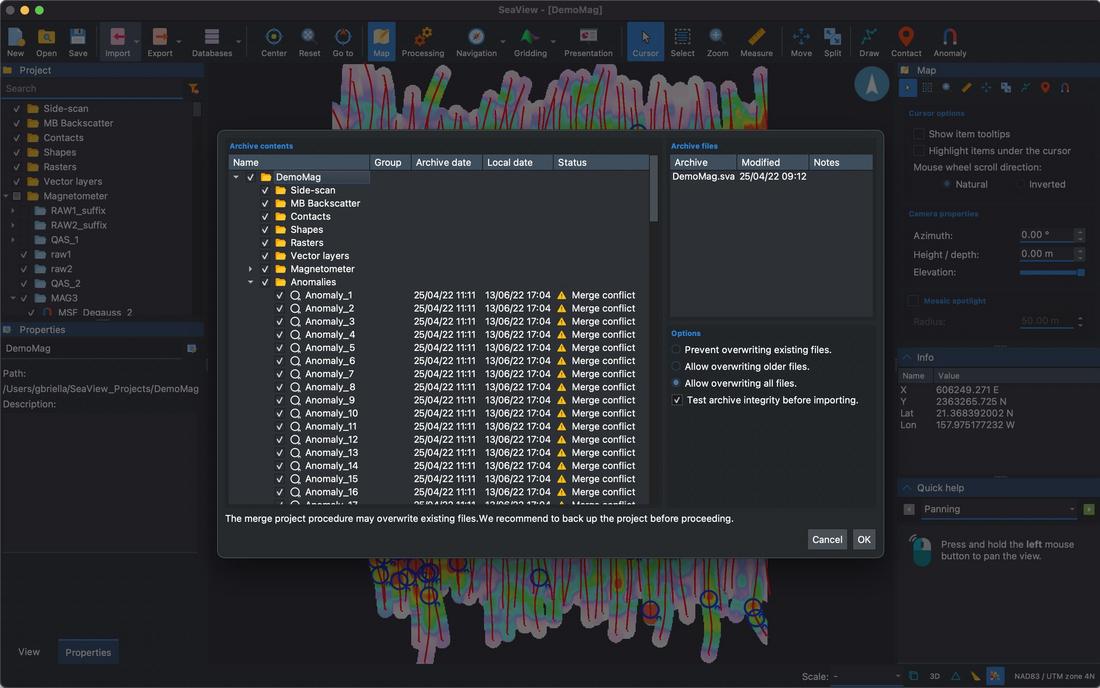
Provide daily updates to your client and onshore offices during operations with our incremental SeaView archives.
Internet speed won't be an issue anymore.
SeaView archives support password protection and digital signatures to detect and prevent data corruption.
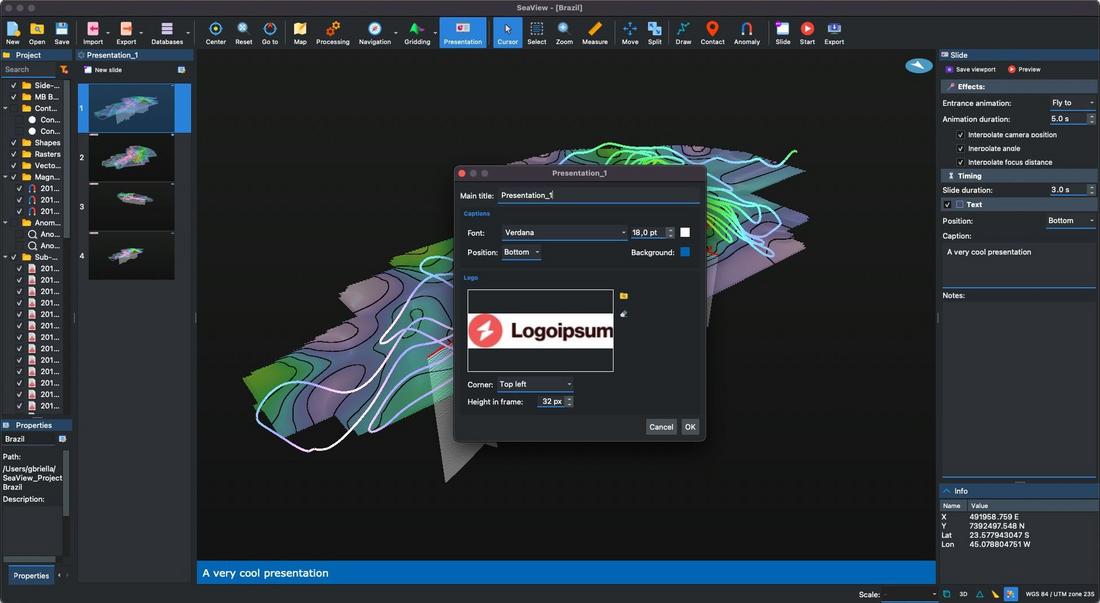
Create video presentations of your project with ease. Define keyframes, animations and captions with a few clicks.
Add your logo in video overlay to emphasize your corporate identity.
Play the presentation preview in SeaView or export it as a video in one click.
Learn more about the other modules in the SeaView suite or contact us for a free trial.
Budi sat on the edge of the fountain at Bundaran HI, his gray-and-white high school uniform rumpled and stained with sweat. The afternoon sun was a heavy weight, but he didn't head home. Instead, he watched the stream of luxury SUVs and motorcycles pulse through the heart of Jakarta.
is more than a casual observation—it is a social mirror reflecting challenges in Indonesia’s education system, parenting, youth culture, and urban planning. While the uniform itself is a symbol of pride and order, its presence in the wrong place and time signals a breakdown of that order.
Nowhere is the tension more visible than in Jakarta’s elite shopping malls—places like Grand Indonesia, Taman Anggrek, or Plaza Senayan. Security guards are trained to spot pelajar masih berseragam wandering the corridors at 2 PM on a Tuesday.
This leads to:
Why do they keep the uniform on?
The most critical social issue attached to the keyword “pelajar masih berseragam” is . According to the International Labour Organization (ILO) and data from Indonesia’s Badan Pusat Statistik (BPS), millions of Indonesian children between the ages of 10 and 17 are working. A significant percentage of these children are enrolled in school but are forced to work before or after school—or instead of attending school entirely, while keeping the uniform as a status of potential.