We use cookies to ensure you get the best user experience on our website.Find Out More
Mobile apps, web apps, any platform. One shake, click, or tap gets you video reproductions, network logs, and everything developers need to fix issues fast.
Installation
Bugs
Crashes
Sessions


































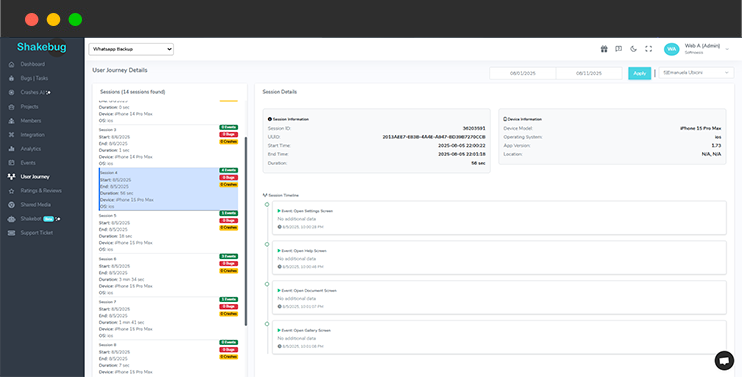
With Shakebug, you see bugs and the complete narrative. Get a clear timeline with our user journey, connecting sessions, events, bug reports, and crash data. See navigation, actions, and exact issue points. Fix issues faster and prioritize work with accurate, actionable insights in the same reporting and monitoring tool.
Wave goodbye to the hassle of sorting through countless identical crash reports. With Crash AI, our platform smartly organizes recurring crashes, presenting just one entry that includes all the essential details like the first occurrence, affected devices, OS versions, and much more. parent directory index of private images full

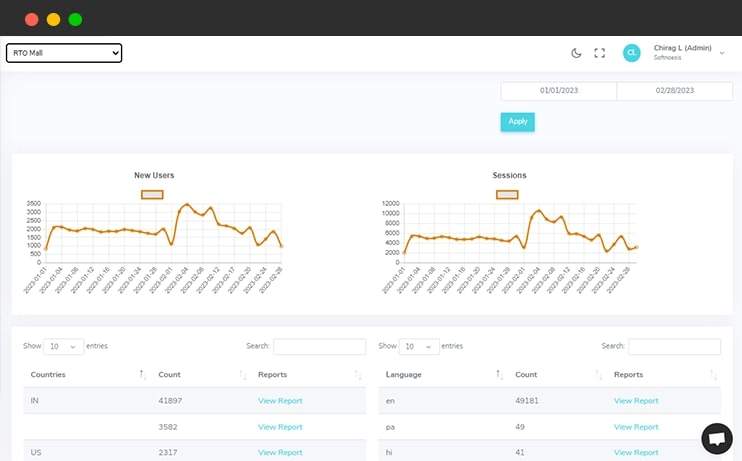
Along with bugs and crash reporting, Shakebug analyzes the application usage in different ways like session, language, countries etc. It also allows users to check analytics in the form of graphical representation over the selection period of time. While "Parent Directory" and "Index of" might look
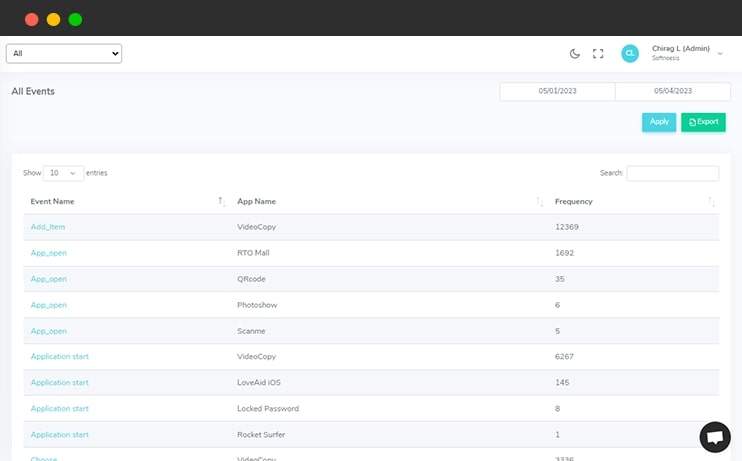
Developers/Users can add custom events and values for each action of the application easily where they want. In addition to this, users can also check the session of each event and value in graphical form as well. Whether you are a developer or a casual
Over 0 events tracked in action.
Shakebug helps users to highlight bugs by capturing the screenshot of the screen within a few clicks. This tool minimizes the bug reporting time for your tester and clients.
Shakebug will automatically report the crashes of applications whenever it occurs. Here users don't need to spend time for crash reporting.
While "Parent Directory" and "Index of" might look like secret doorways to hidden content, they are actually just standard web server features that, when misconfigured, can expose private files.
The phrase "parent directory index of private images full" is a reminder of how fragile digital privacy can be. A single checkbox missed during server setup can turn a private photo album into a public gallery. Whether you are a developer or a casual user, always double-check your and server permissions .
Most web servers (like Apache or Nginx) are programmed to look for a file named index.html
Encountering a "parent directory index of private images full" error can seem daunting, but understanding its causes and taking systematic steps can help resolve the issue. Whether you're a developer troubleshooting a website or a user trying to access private content, staying informed and methodical in your approach is key.
When a web server is configured to allow directory listing, it will display a list of files and subdirectories within a directory when a user requests the directory URL. For example, if a user types https://example.com/images/ into their browser, the server may display a list of files and subdirectories within the /images/ directory, such as:
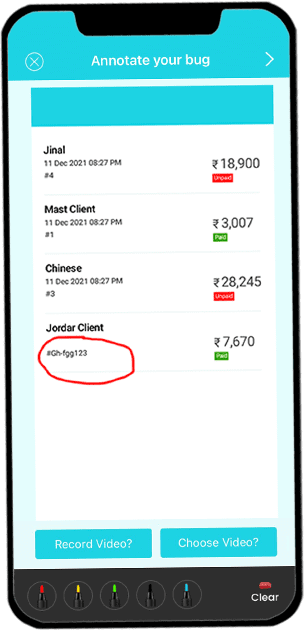
Open your application on your mobile phone and shake it. After that screen will appear where you can highlight the area of the bug.
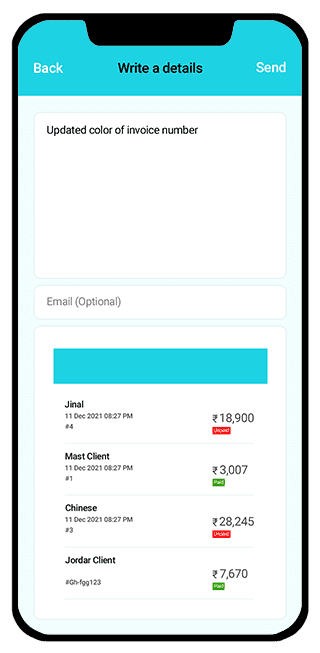
After highlighting the area, a screen will appear where the user can write a bug description which explains the details about bugs or issues.
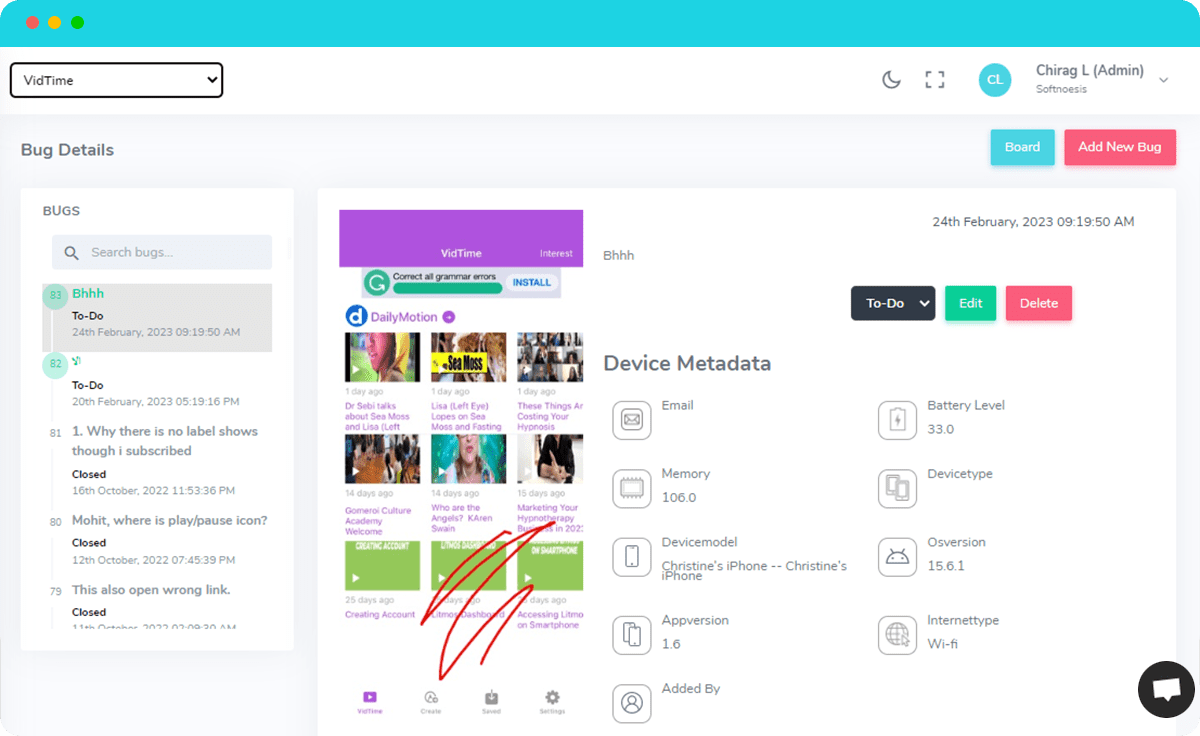
Once you report the bug, you will get the following screen with bug’s details along with device and OS information to your assigned developers. They can update its status when it is resolved.