Energia Mediante Vapor Aire O Gas — Solucionario Work
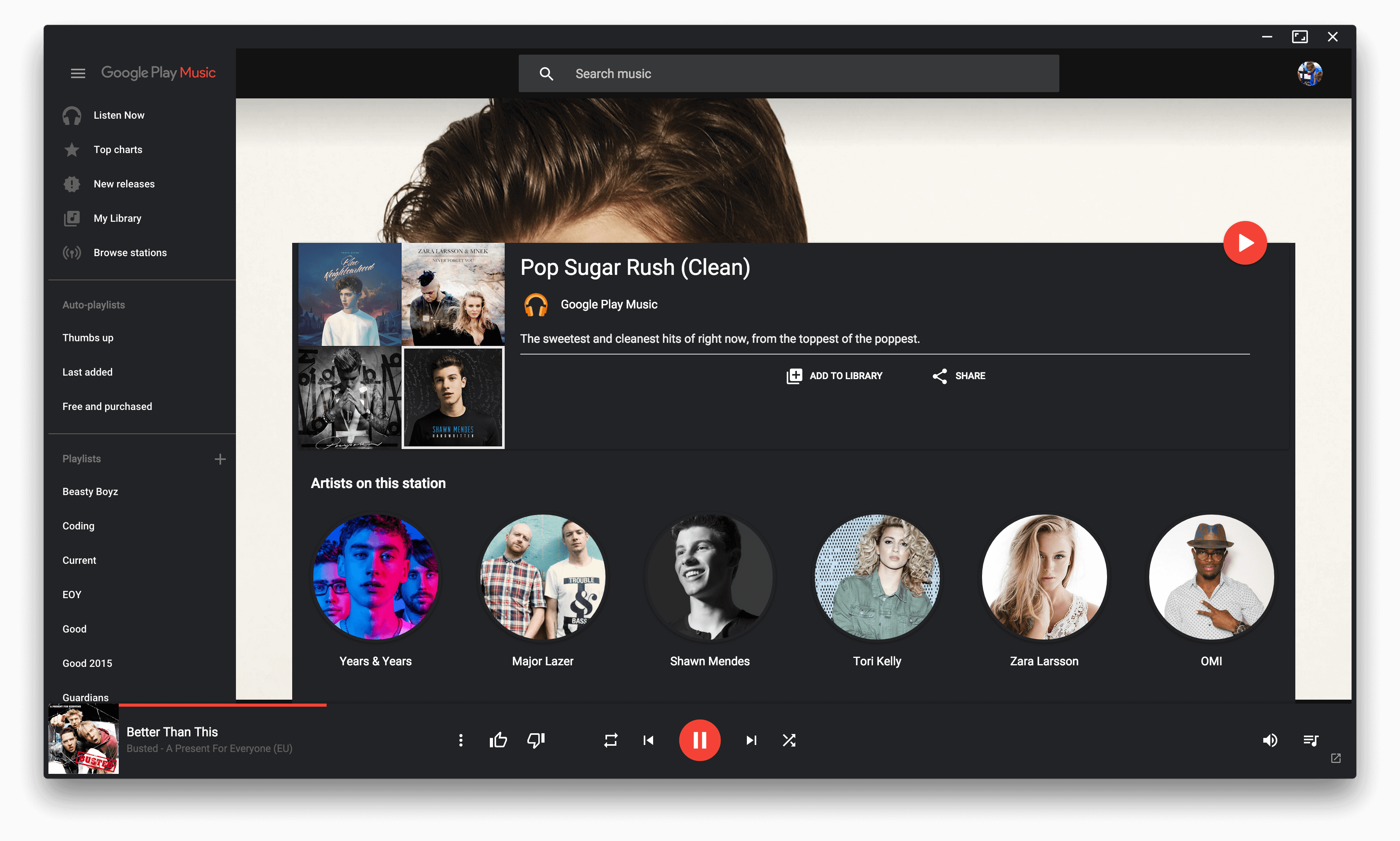
A beautiful cross platform Desktop Player for Google Play Music

Google Play Music Desktop Player is open source on GitHub this means YOU, the community, gets a say in all the features we implement and you can even get involved and help out.
If you find a bug or want something new, tell us in Gitter or on GitHub and we will see what we can do!!
Being a lightweight, standalone framework we use FAR less resources than having Google Play Music open in a standard chrome tab. This frees up your computers resources to do things you care about, instead of wasting them on playing music.
Google Play Music Desktop Player adds a level of customization that simply isn't there in the web player. You can change your theme, customize the colors, send your play history straight to last.fm, and it even has a built-in equalizer.
From advanced audio controls to simple song change notifications, this desktop player literally does it all.
¡Claro! A continuación, te presento un guía detallada sobre "Energía mediante vapor, aire o gas: Solucionario Work":
Cálculo de flujo másico necesario para producir una potencia específica (ej. 1000 hp). Compresores: Compresión isotérmica vs. adiabática. Motores de Combustión: Ciclos Otto y Diesel. 4. Ejemplo Práctico de Trabajo energia mediante vapor aire o gas solucionario work
Esto supera ampliamente a cualquier ciclo simple (máx 45% para gas simple, 35% para vapor simple). ¡Claro
[ W = \int P dV ]
En una turbina, el trabajo realizado se puede calcular como: At turbine inlet (4 MPa, 400°C): from superheated