
Москва, Игарский проезд, д. 2, офис 314
схема проезда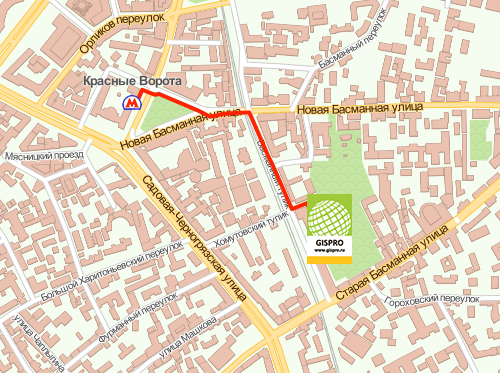
тел. (495) 639-80-82
ИНН: 7703741816
КПП: 771601001
| Decade | Father Archetype | Daughter’s Role | Message | |--------|----------------|----------------|---------| | 1990s | Stoic provider, emotionally distant | Plot device (needs saving or marrying) | Father knows best. | | 2000s | Flawed but trying; comic relief possible | More voice, but still often rescued | Fathers are human. | | 2010s | Vulnerable, co-parenting, single dads | Protagonist with agency | Daughters can teach fathers. | | 2020s | Nuanced: stay-at-home dads, LGBTQ+ families, fathers with mental health struggles | Complex, messy, powerful | Relationship is a two-way street. |
Indian literature has also explored the baap aur beti relationship. Notable examples include:
The "Baap-Beti" dynamic is heavily shaped by culture. Here’s how major media industries treat it:
The most significant shift in popular media is the move from "Meri Beti, Mera Bojh" (My daughter, my burden) to (My daughter, my pride).
: Content creators often produce sketches about modern parenting, such as "Modern Parivaar" sketches on
In the film Piku , the audience witnessed a refreshing, albeit realistic, portrayal of a daughter caring for her aging, eccentric father. It broke the "damsel in distress" trope, showing the daughter as the primary pillar of the household.
Entertainment media has given us some of the most memorable and complex portrayals of this bond, ranging from heartfelt dramas to lighthearted comedies.
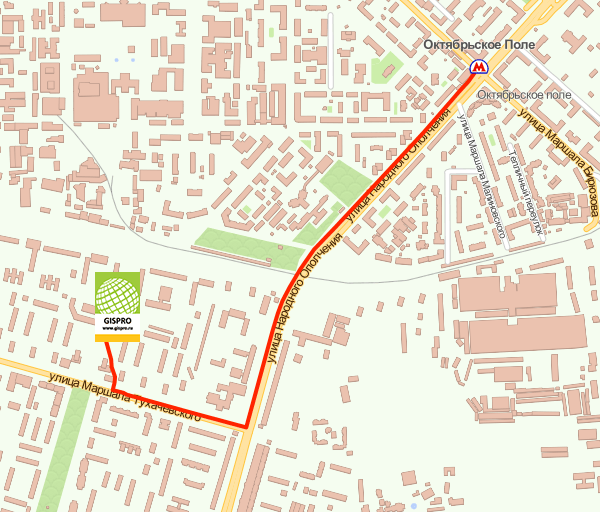
Москва, Игарский проезд, д. 2, офис 314
схема проездател. (495) 639-80-82
ИНН: 7703741816
КПП: 771601001