Загрузка началась
Как видите, у нас НЕТ рекламы, и помощь в виде репоста будет очень кстати!
 |
Добавить сайт в закладки CTRL+D или "звездочка" в адресной строке справа |
 |
Подписывайтесь на наш ТГ канал
|
Tim Burton’s 2010 film Alice in Wonderland reimagines Lewis Carroll’s classic stories as a structured, feminist "hero’s journey" rather than a direct adaptation. The film is characterized by its Gothic surrealist aesthetics, heavy use of digital technology, and a narrative shift from Carroll's absurdist nonsense to a formulaic "good vs. evil" plot. Read the full analysis at Academia.edu literaryanalysis.net Movie Review: “Alice in Wonderland” | Literary Analysis
details how the Red Queen’s palette signifies both "countrified" aesthetics and evil, while the White Queen represents purity and nobility. Critical Perspective: Adaptation vs. Originality alice.in.wonderland.2010
"Alice in Wonderland" is a 2010 fantasy adventure film directed by Tim Burton, based on the classic novel "Alice's Adventures in Wonderland" by Lewis Carroll. The film is a sequel to the original story and follows Alice (Mia Wasikowska) as she returns to the fantastical world of Wonderland. Tim Burton’s 2010 film Alice in Wonderland reimagines
, ranging from a nostalgic throwback to a deep dive into its production. Read the full analysis at Academia
Beyond, a court awaited, with jurors who were teacups and a judge who was an old grammar rule. The case was “Order versus Wonder.” The Queen of Hearts presided as a figure composed equally of thunder and confetti. “I will have calm!” she proclaimed, and the courtroom shuffled. The Hare, who had been her counsel, argued for chaos as a public service. The King, small and apologetic, offered compromises in post-it notes.
Загрузка началась
Как видите, у нас НЕТ рекламы, и помощь в виде репоста будет очень кстати!
|
Добавить сайт в закладки CTRL+D или "звездочка" в адресной строке справа |
|
Подписывайтесь на наш ТГ канал
|
 Не уходи, друг :(
Возможно тебе что-то не понравилось на нашем сайте, или показалось не удобным? Мы будем очень рады если ты скажешь нам об этом:
в КОММЕНТАРИЯХ к игре - внизу (требуется регистрация)
А если всё понравилось - не забывай про нас, заходи почаще.
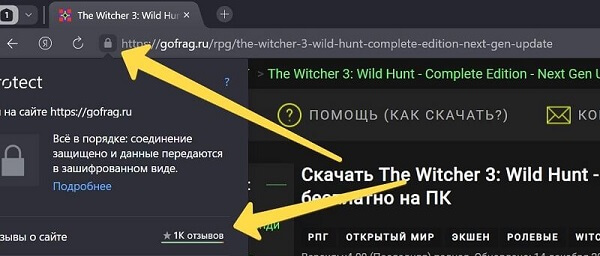
Огромная просьба друзья, если Вы пользуетесь Яндекс.Браузером 
Нажмите на замочек (слева в адресной строке) и далее на отзывы.
PS: Пожалуйста, не копируйте отзывы других людей (а то это выглядит как-будто мы их ПОКУПАЕМ :(
Можете просто написать маленький отзыв что "всё понравилось" или что-нибудь в этом роде.
А еще у нас появился ТГ канал
|
|